Medical animation production

Three audiences, three expectations, one production. This is how we solve it.

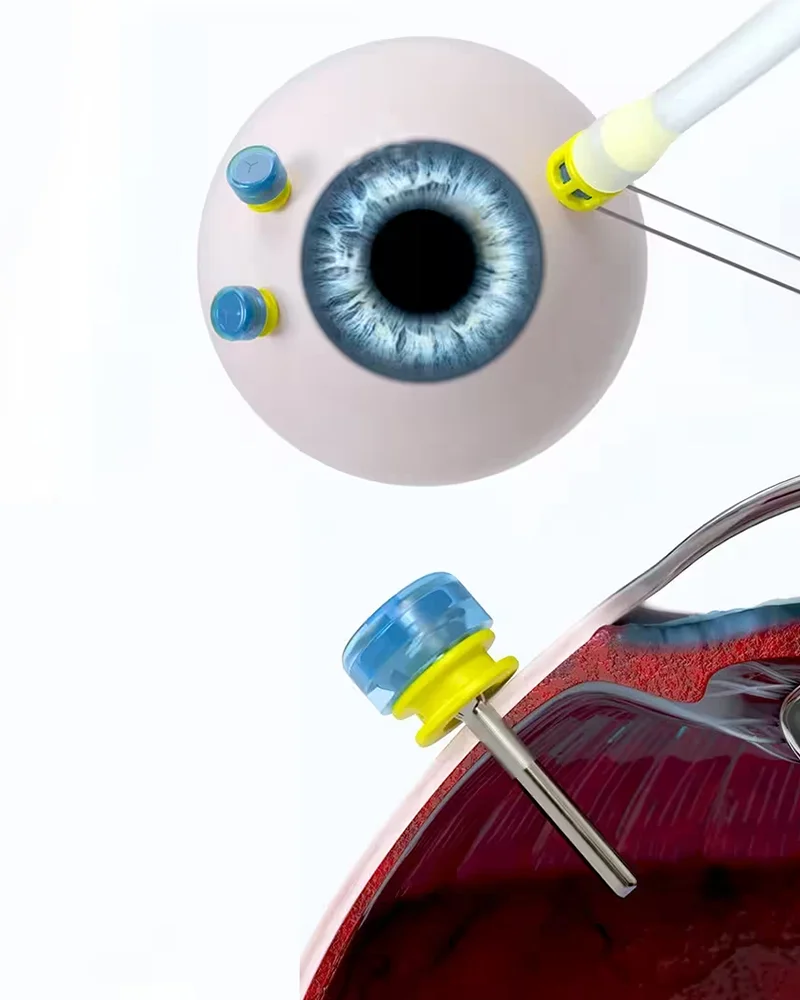
Illustratie van een kniegewricht met een rood pijnpunt en 3D-weergave van een oog met chirurgische instrumenten voor medische procedures.3D animation for D.O.R.C.: eye with surgical instruments

One animation for clinician, procurement and patient doesn't exist

With almost every medical request there are three parties at the table, even if only one of them commissions the work.

The clinician wants to know whether it is correct. The procurement committee wants to know why this is better than what is in place now. The patient wants to know what will happen to them. Those three questions can't be answered in one film, because they differ in pace, level of detail and language. An animation that tries anyway becomes too superficial for the specialist and too technical for the rest.

What we do: build once, edit several times. The research, the concept and storyline, the design, and the models, anatomy and scenes are the expensive layer, and we make that once. From it we can create versions with their own pace, length and voice-over. You include those as options in the quote, or have them made later. For Springlife Medical we made two versions of the same content this way: a calm instruction version and a faster commercial variant.

That is why in the first conversation we ask who the animation is for. The answer determines what we build.

What we find out before we start designing

Research for a medical animation follows two tracks, and the second is almost always skipped.

The first track is the content. The product, the treatment, the anatomy around it, the technology behind it and the context in which it is used. For Orteq Actifit that meant following the clinical steps around a biodegradable meniscus implant until we could explain them step by step ourselves. For D.O.R.C. we sat down with leading eye surgeons before a single scene existed.

The second track is the audience. What does an eye surgeon already know, and what is actually new to them. Where does a procurement committee drop off. Which words make a patient anxious. That research shapes the edit more than the anatomy does.

There is one thing we have learned over the years that regularly surprises people. Specialists don't ask for photorealism. An animation can be stylised, even abstract, as long as the proportions are right. An instrument shown twice too large relative to the tissue is spotted by a surgeon immediately and costs you their trust for the rest of the film. A simplified colour scheme goes unnoticed. That is a very different bar from "as real as possible", and it is the reason our medical animations sometimes look less photographic than you might expect.

Medical 3D animation for VPI: shoulder and chest with muscles and blood vessels

What makes medical animation different from our other work

Clinicians review during the process, not afterwards. A mistake in the order of a procedure is not a cosmetic flaw. That is why we have a clinician approve the storyboard and the first movement test before anything is animated. For D.O.R.C. that went through their own team and through surgeons from their network.

Claims are fixed, on screen too. What you may claim about a medical product is set out in the product documentation, and imagery that suggests a claim falls under the same rules. A scene showing a result that is not substantiated is a problem for you, not for us. That is why we ask early for the approved claims and check the storyboard against them. You supply the input from regulatory affairs and approve the scenario and storyboard on content, and a clinician or medical expert reviews it. If you prefer, we can also liaise directly with your regulatory department.

We often work on something that doesn't exist yet. Products before launch, systems in development, technology that hasn't been announced. We sign an NDA as standard, files are kept on secured storage that only the project team can access, and nothing goes into our portfolio without your approval or before the launch.

Multiple languages are a design choice. If we know in advance that there are several markets, we keep on-screen text to a minimum and build the edit so that a longer voice-over fits. Adding a language later is always possible too. Choosing up front is often more cost-effective, because the animation is then set up for it from the start.

Illustration of a workspace with a desk, computer and red chairIllustration of a workspace with a desk, computer and red chair

Who does your animation need to convince?

Send us your question, even if the answer is "all three". You will hear from us within one working day, with a rough estimate or a proposal for a conversation. After that you receive a well-founded scope, including which variants you can get from one production.

What each audience wants to know

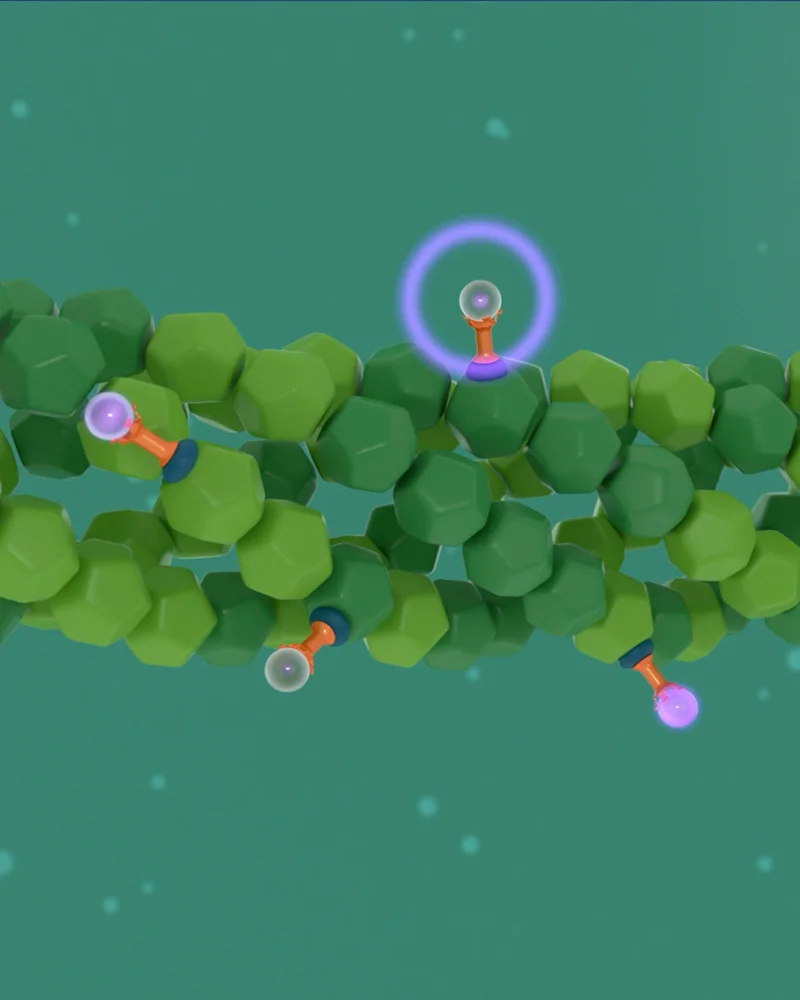
Medical animation at cell level: molecules with highlighted binding sites
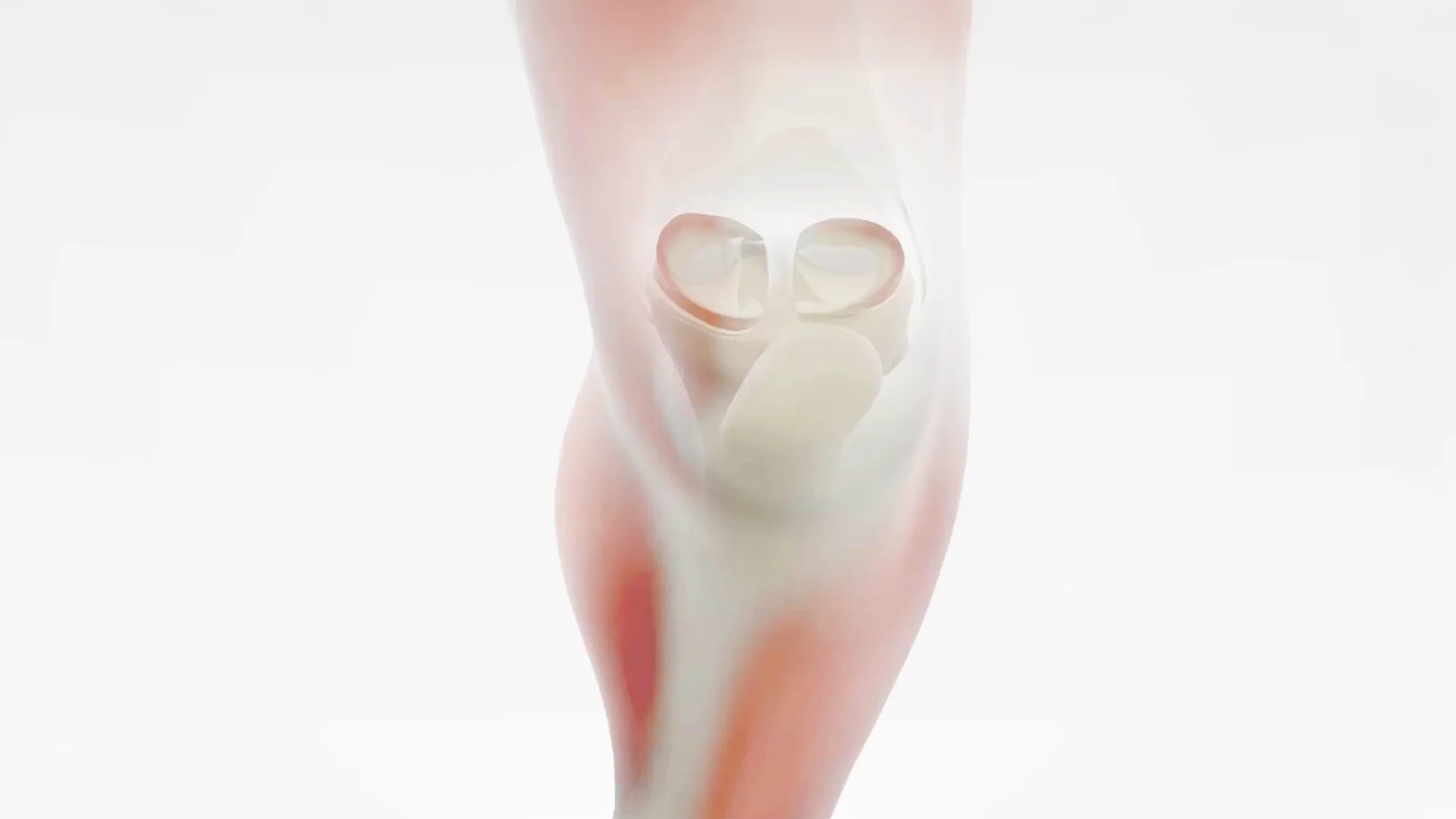
Illustratie van een kniegewricht met een rood pijnpunt en 3D-weergave van een oog met chirurgische instrumenten voor medische procedures.

Clinician

Wants to know: is the sequence right, are the proportions right, what does this do differently. Pace: calm, repeatable. Tone: technical language, no simplification.

Procurement and management

Wants to know: why this, why now, what does it deliver. Pace: short, no build-up needed. Tone: businesslike, with the benefit up front.

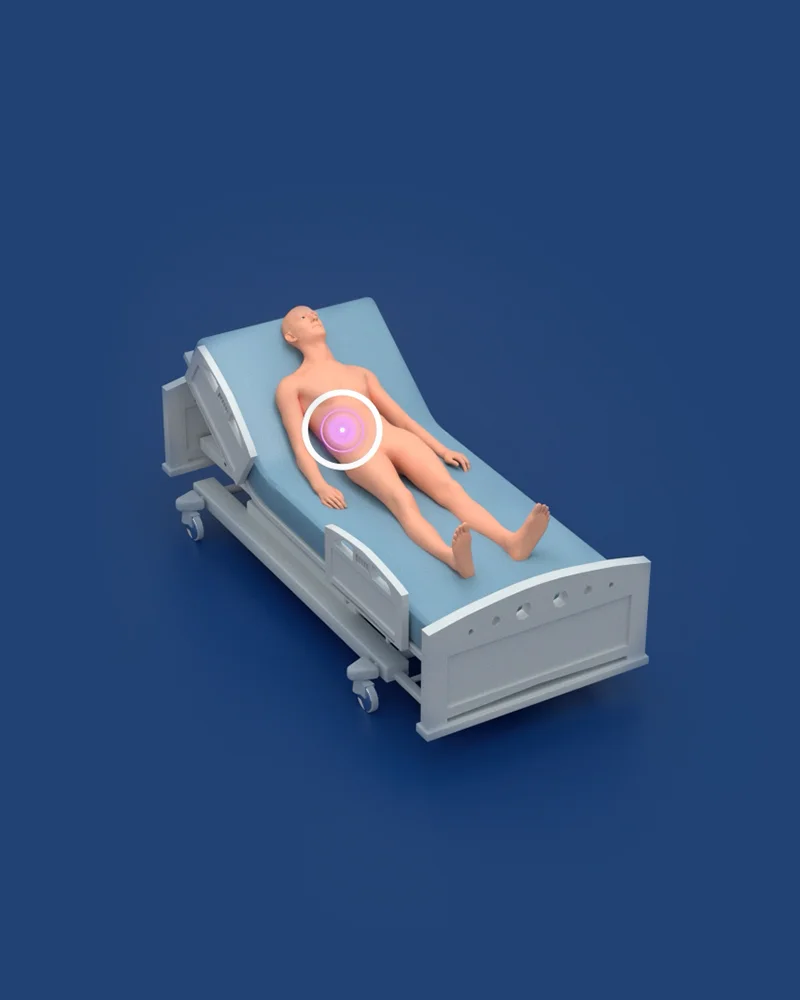
3D illustration of a patient in a hospital bed

Patient

Wants to know: what will happen to me, will it hurt, how long will it take. Pace: slow, reassuring. Tone: plain language, no figures.

why us?

transit arrow white

Four medical animations
we made

What clients say about
working with us and the results

"Your fantastic artwork helped make our vision understandable! This was extremely valuable in our development process and greatly contributed to securing multiple investment rounds."

Jan Willem Heinen
Co-founder & CEO - Maeve Aerospace
maeve aviation

“We always enjoy working with you! From start to finish, there's excellent communication, clear agreements, and high-quality production. You're constantly contributing ideas to achieve the best possible result, both creatively and technically."

Dave Valk
Designer & Owner - PlusDrie
plusdrie

“By combining your animation skills with our audiovisual expertise, we'll elevate the creative concept to the next level. You'll also deliver the right assets and files on time, and we'll work together to meet the deadline!"

Wouter Kooken
Owner & Creative Director - Blickfänger
blickfanger

"Working with Studio Analoog was impressive! They are true experts in their field. The final product made a huge impact, which we were able to showcase to state officials and important customers."

Jelle Wigboldus
Global Marketeer - Westfalia Fruit
Westfalia Fruit logo
logo client
logo client
logo client
logo client
logo client
logo client
logo client
logo client

Where our medical animations end up

Six places, in order of how often we see them:

Congresses and product launches. Reaching specialists at the moment they are open to something new. The animations for EVA NEXUS went along to congresses, webinars and sales meetings.

Sales to hospitals. Shortening the procurement process by showing what a demo would otherwise have had to do.

Patient information. Showing patients what happens during a treatment, in plain language and at a calm pace, so they go into a procedure prepared. For example in the waiting room, on the hospital website or to watch again at home. For Actifit, an implant that helps restore lost meniscus tissue, we showed the clinical steps anatomically correctly.

Website, LinkedIn and social. From the same production we can, as an option, create short clips and stills that stay useful all year round.

User training. Surgeons and nurses learning to work with a system, at a pace that can be repeated.

Investors and partners. For early-stage start-ups, the animation is often the only thing that can show the product, because it doesn't exist yet.

Medical 3D animation of a cell between blood vessels in close-up

What a medical animation costs

Our projects start from €10,000 excluding VAT. A 3D animation of a minute and a half takes six to ten weeks, from briefing to delivery.

One animation, one audience: from €10,000, 6 to 10 weeks

One production, several audience variants and languages: €15,000 to €25,000, 10 to 14 weeks

Ongoing, new products based on existing anatomy and scenes: on request

A second audience variant from the same production costs a fraction of a new animation, because the expensive layer is already in place: the research, the concept, the design, the models and the anatomy. That is the strongest argument for deciding up front who you want to reach.

Want to see the prices of all types of animation side by side? Take a look at animation production.

How an enquiry works with us

You will hear from us within one working day. Usually with a few questions, because a budget that makes sense doesn't come from a single email.

After that there are two routes. If you need a number now, we give a rough estimate based on what you have sent us. If you have half an hour, we discuss the project and you then receive a well-founded scope with a matching budget. The second route gives a better answer, and often a different project than you had in mind.

In a hurry? Feel free to call. We do the same the other way round.

How a medical animation
comes together at our studio

Briefing

After your enquiry you will hear from us within one working day, usually with a few questions. Then we schedule an introduction. We focus straight away on the content and the context: what needs explaining, to whom, and where will the animation be used? Together we map out where the communication friction lies and which decision you want to speed up, whether that is sales, an investor presentation, onboarding or stakeholder communication. Based on that we make a proposal with a clear scope, timeline and budget, including options for reuse. Once approved, we get started.

Concept & storytelling

We translate the substance into a narrative: what does the viewer need to understand first, what comes next, and how do we build towards the core? This is the phase in which we do the most substantive sparring and lay the foundation for an animation that is logically structured. You receive a fully developed concept with core message, structure and tone of voice.

Kick-off

At the kick-off everyone involved sits at the table. We define the storyline, discuss the inspiration and ask each other questions: we about the content, you about the process. We agree the timeline, fix the feedback moments and agree who has a say and who bundles the feedback. That last agreement is the most important one of the whole project.

Storyboarding

The narrative is worked out visually in a storyboard. You see per scene what will appear on screen, how the structure flows and where the accents lie. This is the key moment to steer: changes here are fast and save costs further down the production.

Concept design

We develop the visual style: colour palette, atmosphere, level of detail and what the 3D models look like. This can range from hyper-realistic to abstract, depending on what suits the story and the brand. You receive style frames so you can see exactly which direction we are taking.

Production

The 3D scenes are built, animated and rendered. Because the substantive choices have already been made, this phase remains manageable and predictable. You receive interim previews, so we can adjust together if needed.

Sound

Music, sound effects and any voice-over are added. This largely determines the sense of professionalism and pacing. Good sound makes a significant difference in how an animation comes across and holds attention.

Release

The animation is delivered in the agreed formats and resolutions, ready for deployment. If agreed, we also deliver variants (stills, cutdowns, platform formats) and advise on the best deployment per channel.

Frequently asked questions about medical animation

expand black

What does a medical animation cost?

expand black

How long does it take?

expand black

Does a medical animation need to be photorealistic?

expand black

How do you make sure it is medically correct?

expand black

Can you make one animation for both doctors and patients?

expand black

How do you handle claims and regulations?

expand black

Our product hasn't been announced yet. Is that a problem?

expand black

Can the animation be made in multiple languages?

expand black

Do you also work for agencies in the medical sector?